
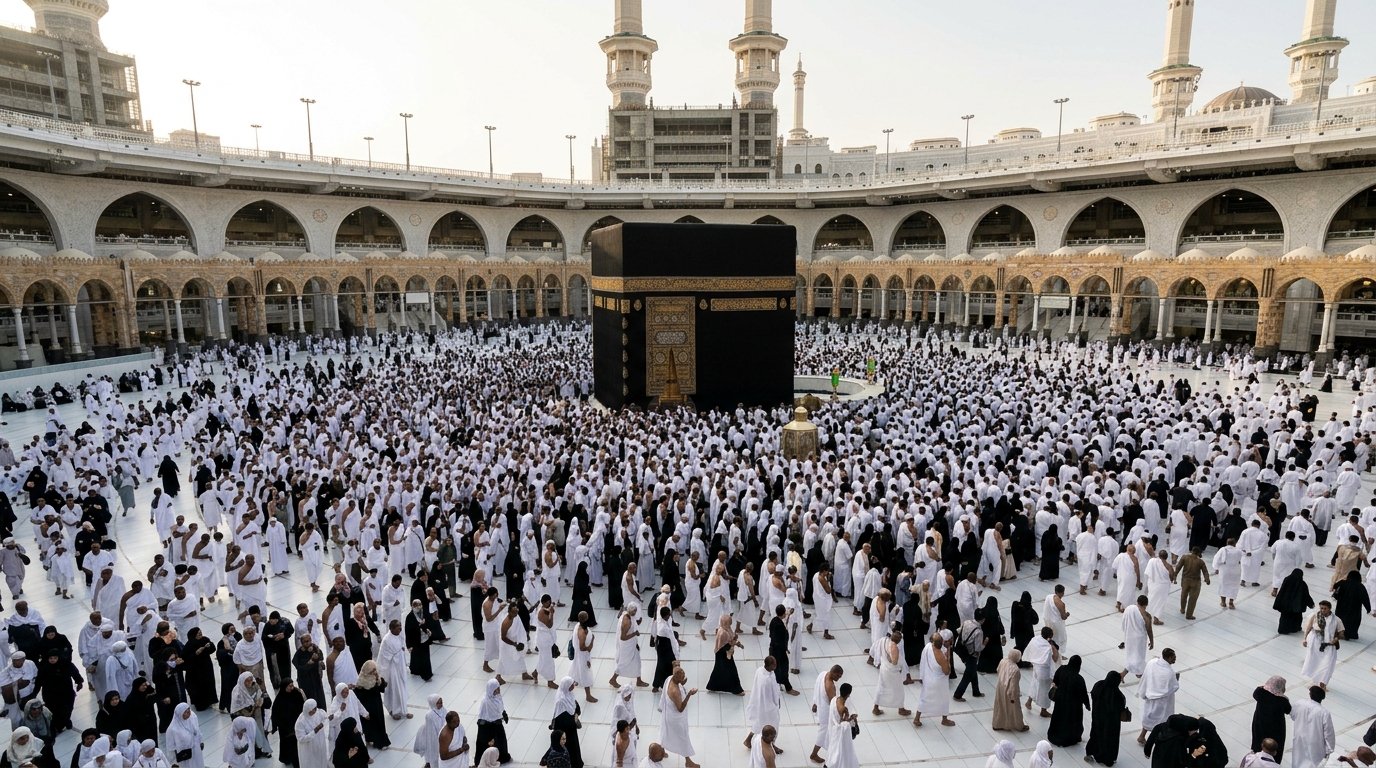
Umrah is a sacred Islamic pilgrimage to Makkah that Muslims can undertake outside the specific days of Hajj, subject to applicable regulations. For first-time pilgrims, understanding the correct order of the rituals can make the journey easier and less stressful.
To perform Umrah, a pilgrim enters Ihram at the appropriate Miqat, makes the intention for Umrah, recites the Talbiyah, performs seven circuits of Tawaf around the Kaaba, performs seven laps of Sa’i between Safa and Marwah, and completes Tahallul by shaving or trimming the hair. Pilgrims should learn the requirements beforehand and consult a qualified scholar when they need clarification about particular rulings.
This guide explains how to perform Umrah step by step, including essential duas, an Umrah checklist, packing advice, travel costs, and places to visit in Madinah and Makkah. It is particularly useful for pilgrims planning their journey from Pakistan.
What Is Umrah?
Umrah is an act of worship performed at the Sacred Mosque in Makkah. Unlike Hajj, which has prescribed dates in the Islamic calendar and specific additional rites, Umrah can generally be performed at other times of the year, subject to Saudi regulations and any applicable restrictions.
The principal rituals of Umrah are:
- Ihram: Entering the sacred state for Umrah.
- Tawaf: Circling the Kaaba seven times.
- Sa’i: Walking seven laps between Safa and Marwah.
- Tahallul: Shaving or trimming the hair to conclude Umrah.
These rituals should be learned in advance so that pilgrims can concentrate on worship rather than trying to understand every step after arriving at the Haram.
What to Do Before Performing Umrah
Preparation begins before you leave home. Pilgrims should arrange their travel documents, understand the rituals, prepare suitable clothing, and consider their health and mobility needs.
1. Arrange Your Documents and Travel
If you are travelling from Pakistan, confirm the following before departure:
- Passport validity and applicable visa requirements.
- Flight bookings and accommodation reservations.
- Current Saudi entry requirements.
- Any applicable vaccination or health documentation.
- Relevant permits or appointments, where required under current regulations.
- Airport transfers and transport between Makkah and Madinah, if applicable.
- Emergency contact information and travel insurance details.
Requirements can change according to visa category, nationality, health guidance, and travel dates. Verify current requirements through official Saudi government channels rather than relying solely on old online articles or verbal assurances.
2. Learn the Rituals Before Departure
Read an authoritative Umrah guide and learn the main supplications. If you are unfamiliar with the Arabic wording, practise listening to the pronunciation and understanding the meaning.
You can also use the official digital guidance provided through the Saudi National Portal’s Digital Mutawwif service, which offers step-by-step assistance with Tawaf, Sa’i, and the completion of Umrah.
3. Prepare Physically and Spiritually
Umrah involves walking and may require navigating crowded areas. Comfortable footwear outside the state of Ihram, suitable hydration, adequate rest, and a manageable schedule can help make the experience more comfortable.
Older adults and people with mobility limitations should plan transportation and assistance in advance.
How to Perform Umrah Step by Step
The following instructions explain the main sequence of Umrah. Some details can differ according to Islamic jurisprudence, so pilgrims should consult a qualified scholar about questions concerning validity, obligations, or special circumstances.
Step 1: Enter Ihram and Make the Intention
Ihram is the sacred state in which a pilgrim undertakes Umrah. It is not simply the clothing worn during the pilgrimage.
Before entering Ihram, it is recommended to prepare through personal cleanliness and Ghusl where appropriate.
For men: Ihram clothing normally consists of two unstitched pieces of cloth, commonly called the izar and rida.
For women: There is no requirement to wear a particular colour. Women should wear modest clothing that meets Islamic requirements and observe the applicable rules of Ihram. Women do not need to wear the two-piece male Ihram garment.
Pilgrims must enter Ihram before crossing the applicable Miqat when intending to perform Umrah. The correct Miqat depends on the route and circumstances of the journey.
When you are ready, make the sincere intention to perform Umrah.
A commonly recited wording is:
Labbayka Allahumma Umrah.
Meaning: “Here I am, O Allah, for Umrah.”
This wording is a way of expressing the intention; the intention itself is an act of the heart.
Step 2: Recite the Talbiyah
After entering Ihram and making your intention, recite the Talbiyah.
Arabic:

Transliteration:
Labbayka Allahumma labbayk, labbayka la sharika laka labbayk. Innal-hamda wan-ni’mata laka wal-mulk, la sharika lak.
Meaning:
“Here I am, O Allah, here I am. Here I am; You have no partner; here I am. Surely, all praise, blessings, and dominion belong to You. You have no partner.”
Repeat the Talbiyah as prescribed while travelling towards Makkah and observe the relevant rules for its conclusion when beginning Tawaf.
While in Ihram, avoid prohibited actions, including applying perfume after entering the state and removing hair or nails without a valid allowance. Specific rulings may vary according to circumstances, so seek qualified guidance if a mistake occurs.
Step 3: Perform Tawaf Around the Kaaba
Tawaf is the act of circumambulating the Kaaba seven complete times.
When you arrive at Masjid al-Haram, proceed calmly towards the Tawaf area. Follow crowd-control instructions and do not push other worshippers to reach the Black Stone.
Follow these steps:
- Ensure you are prepared to begin Tawaf according to the applicable purification requirements.
- Identify the starting point aligned with the Black Stone.
- Keep the Kaaba on your left as you walk counterclockwise.
- Begin the first circuit from the starting point.
- Continue around the Kaaba until you return to the starting point.
- Repeat until you have completed seven full circuits.
Each complete circuit counts as one round.
What should you recite during Tawaf?
You may remember Allah, recite the Quran, and make personal supplications. There is no requirement to recite a different fixed dua for every circuit.
Between the Yemeni Corner and the Black Stone, a well-known supplication is:
Arabic:
رَبَّنَا آتِنَا فِي الدُّنْيَا حَسَنَةً وَفِي الْآخِرَةِ حَسَنَةً وَقِنَا عَذَابَ النَّارِ
Transliteration:
Rabbana atina fid-dunya hasanatan wa fil-akhirati hasanatan wa qina adhaban-nar.
Meaning:
“Our Lord, grant us good in this world and good in the Hereafter, and protect us from the punishment of the Fire.”
Do not treat touching or kissing the Black Stone as a condition for valid Tawaf. If the area is crowded, continue walking without causing harm.
Step 4: Pray After Tawaf
After completing seven circuits, cover the right shoulder if you had exposed it during Tawaf, as prescribed for men performing that Sunnah.
Pray two Rak’ahs where reasonably possible, with Maqam Ibrahim as the preferred location when accessible without causing difficulty. If the area is crowded, pray in another suitable place within the mosque, following the authorities’ instructions.
The first Rak’ah is traditionally recited with Surah Al-Kafirun after Al-Fatihah, and the second with Surah Al-Ikhlas after Al-Fatihah.
After prayer, pilgrims may drink Zamzam water where available and make personal supplications.
Avoid blocking walkways or insisting on a particular prayer location when doing so would inconvenience others.
Step 5: Perform Sa’i Between Safa and Marwah
Sa’i commemorates the devotion and perseverance associated with Hajar’s search for water for her son, Ismail.
The ritual consists of seven laps between Safa and Marwah.
Follow these steps:
- Proceed to Safa and begin the Sa’i from there.
- Face the direction of the Kaaba where practicable, praise Allah, and make supplications.
- Walk from Safa towards Marwah.
- Upon reaching Marwah, one lap is complete.
- Return from Marwah to Safa for the second lap.
- Continue alternating between the two hills.
- Complete the seventh lap at Marwah.
Remember this important counting rule:
| Journey | Lap number |
| Safa to Marwah | 1 |
| Marwah to Safa | 2 |
| Safa to Marwah | 3 |
| Marwah to Safa | 4 |
| Safa to Marwah | 5 |
| Marwah to Safa | 6 |
| Safa to Marwah | 7 |
The first lap begins at Safa, and the seventh ends at Marwah.
Men are traditionally instructed to walk briskly or jog between the designated green markers when able to do so safely. This is not prescribed for women. Pilgrims who are elderly, ill, injured, or unable to walk comfortably should follow the permitted assistance arrangements and avoid putting their health at risk.
During Sa’i, you may recite Quran, remember Allah, and make personal duas. There is no requirement to memorise a unique supplication for every lap.
Step 6: Complete Tahallul
Tahallul marks the end of Umrah and the release from the restrictions of Ihram.
For men: Shaving the head is generally considered preferable, although shortening the hair is also accepted under the applicable rulings. If shortening, ensure that the hair is trimmed appropriately rather than merely cutting a few isolated strands.
For women: A small portion of the hair ends is trimmed according to the relevant Islamic ruling; women do not shave their heads.
Once Tahallul has been completed correctly, Umrah is complete, and the restrictions of Ihram are lifted.
Your Umrah journey is now complete. You can continue with worship, rest, and visits to other significant places in Makkah or Madinah, according to your itinerary. For an authoritative visual explanation of the ritual sequence, consult the Meem Global.
Essential Umrah Dua List
Learning a few important supplications before departure can help first-time pilgrims feel more prepared. However, you do not need to memorise a separate dua for every Tawaf circuit or Sa’i lap. You may make personal supplications in your own language.
Here is a practical Umrah dua list for your journey.
| Occasion | Supplication | Purpose |
| Beginning Umrah | Labbayka Allahumma Umrah | Expressing the intention to perform Umrah |
| During Ihram | Talbiyah | Responding to Allah’s call to worship |
| During Tawaf | Rabbana atina fid-dunya hasanatan wa fil-akhirati hasanatan wa qina adhaban-nar | Asking for goodness in this life and the Hereafter |
| During Sa’i | Personal duas and remembrance of Allah | Seeking guidance, mercy, forgiveness, and blessings |
| During prayer | Quranic recitations and established supplications | Worship and remembrance |
| Throughout the journey | Astaghfirullah | Seeking Allah’s forgiveness |
| Throughout the journey | SubhanAllahi wa bihamdihi | Glorifying and praising Allah |
Important Advice About Supplications
Some booklets assign particular duas to each of the seven Tawaf circuits or seven Sa’i laps. Do not assume that every such assignment is obligatory or established in the Sunnah.
Instead, learn authentic supplications, understand their meanings, and remember Allah sincerely.
Complete Umrah Checklist
A practical Umrah checklist can help you organise the journey before departure and keep track of the essential rituals.
Before Leaving Home
- Check your passport and visa requirements.
- Confirm flight tickets and accommodation.
- Verify applicable Saudi entry, health, and permit requirements.
- Learn the steps of Umrah and the main supplications.
- Arrange transport between airports, hotels, and holy cities.
- Prepare suitable Ihram clothing and everyday garments.
- Pack prescribed medicines and essential health items.
- Save copies of important documents and emergency contacts.
- Inform your family about your itinerary.
- Check your airline’s baggage allowance.
Before Entering Ihram
- Complete recommended personal cleanliness preparations.
- Perform Ghusl if appropriate.
- Wear suitable Ihram clothing.
- Understand the correct Miqat for your route.
- Make the intention for Umrah.
- Begin reciting the Talbiyah.
- Observe the restrictions of Ihram.
During Umrah
- Complete seven circuits of Tawaf.
- Pray two Rak’ahs after Tawaf where appropriate.
- Drink Zamzam water if available.
- Complete seven laps of Sa’i, starting at Safa and finishing at Marwah.
- Complete Tahallul by shaving or trimming the hair as applicable.
After Umrah
- Confirm that you have completed Tahallul.
- Rest and hydrate.
- Follow your planned schedule for worship and visits.
- Keep your identification and hotel information accessible.
Umrah Packing List: What Should You Take?
Your Umrah packing list should cover clothing, documents, personal hygiene, health essentials, and practical items for a comfortable journey.
Avoid packing unnecessary belongings, particularly if you expect to move between hotels or cities.
Clothing and Footwear
For men:
- Two or more suitable Ihram sets, depending on the length of the trip.
- Comfortable everyday clothing for use outside Ihram.
- Sandals or footwear appropriate for your needs and the applicable Ihram rules.
- Sleepwear and extra undergarments.
For women:
- Modest, comfortable everyday clothing.
- Suitable head coverings.
- Comfortable footwear.
- Additional clothing appropriate for the length of the trip.
- Any personal items needed to observe the applicable rules of Ihram.
Women do not have to wear white Ihram clothing, and men should ensure their garments are suitable for the restrictions of Ihram.
Documents and Travel Essentials
Pack the following:
- Passport and relevant visa documentation.
- Flight itinerary and hotel booking details.
- Travel insurance information, if purchased.
- Emergency contact numbers.
- Copies of essential documents stored securely.
- A phone charger and power bank that comply with airline rules.
- A small bag for permitted personal belongings.
- A reusable water bottle, where permitted.
- Some Saudi riyals and an appropriate payment method.
Health and Personal Care
Consider packing:
- Prescription medicines in their original packaging.
- Necessary medical documentation.
- Unscented hygiene products for use during Ihram.
- Basic first-aid supplies.
- Comfortable socks and clothing for non-Ihram periods.
- Sunscreen and other suitable sun protection for use when permitted.
- Any personal medical supplies recommended by your healthcare professional.
Check the rules governing personal-care products during Ihram and verify airline restrictions on liquids, medicines, batteries, and other items. Saudi health requirements may change. Review the current guidance from the Saudi Ministry of Health’s pilgrim health portal before travelling.
Best Time for Umrah: When Should You Travel?
The best time for Umrah depends on your priorities, including weather, budget, crowd levels, family commitments, and preferred spiritual experience.
There is no single month that is ideal for every pilgrim.
1. Ramadan
Many Muslims choose Ramadan because of its spiritual significance and the opportunity to worship during the blessed month.
However, Ramadan can bring high demand for flights, accommodation, and transport, particularly during its final ten nights. Advance planning is especially important for families and older pilgrims.
Check the applicable travel arrangements and official guidance before selecting your dates.
2. Cooler Months
The cooler months can be attractive for pilgrims who prefer milder outdoor conditions. Weather varies from year to year, and the timing of the Islamic calendar shifts relative to the Gregorian calendar.
Remember that cooler weather does not necessarily mean fewer crowds or cheaper accommodation.
3. Quieter Travel Periods
If flexibility is your priority, compare dates outside the busiest holiday and religious travel periods.
Before booking, consider:
- Hotel prices and distance from Masjid al-Haram.
- Flight prices from Pakistan.
- Expected crowd levels.
- School holidays and family commitments.
- Walking distances and weather conditions.
- Official restrictions and availability.
Saudi authorities have also published crowd-planning guidance. In an August 2026 announcement, the General Authority for the Care of the Affairs of the Grand Mosque and the Prophet’s Mosque advised pilgrims to plan around crowd levels and use available digital information. Conditions can vary, so check current guidance rather than relying on a fixed timetable.
Umrah Cost Breakdown from Pakistan
The total cost of Umrah depends on the time of year, trip duration, airline, accommodation category, transport arrangements, and the number of people travelling together.
There is no single price that applies to every Pakistani pilgrim.
A useful Umrah cost breakdown should include the following expenses.
| Expense | What to consider |
| Return flights | Departure city, airline, travel dates, baggage allowance |
| Visa and applicable fees | Eligibility, visa category, and current charges |
| Accommodation in Makkah | Distance from the Haram, room type, and number of nights |
| Accommodation in Madinah | Hotel location, room sharing, and duration |
| Ground transport | Airport transfers and travel between cities |
| Food | Meals included in the package versus additional purchases |
| Ziyarat | Transport, guided visits, and optional excursions |
| Travel insurance | Coverage, exclusions, and eligibility |
| Personal expenses | SIM card, laundry, shopping, and other purchases |
| Emergency reserve | Unexpected transport, health, or travel expenses |
How to Estimate Your Umrah Budget
Use this simple formula:
Total estimated cost = Flights + visa and applicable fees + accommodation + transport + food + ziyarat + personal expenses + emergency reserve.
For example, a family sharing a room may have a different per-person cost from a solo traveller booking a private room. Similarly, a hotel close to the Haram may cost more than accommodation farther away, although it could reduce some transport needs.
When comparing Umrah packages from Pakistan, ask the travel provider to clarify:
- Whether flights are included.
- The hotel names and distance from each Haram.
- Whether accommodation is shared or private.
- Which meals and transport services are included.
- Whether ziyarat is included in the advertised price.
- What fees or expenses are excluded.
- The cancellation, refund, and date-change conditions.
Do not judge a package solely by its headline price. Compare the actual services and written terms.
For current travel costs, obtain quotations for your preferred dates rather than relying on outdated online estimates.
Places to Visit in Madinah
Madinah holds a special place in Islamic history. Many pilgrims travel there before or after Umrah to visit the Prophet’s Mosque and other significant Islamic sites.
Visiting Madinah is not a ritual required to complete Umrah, but it can be an important part of a pilgrim’s spiritual journey.
1. Al-Masjid an-Nabawi
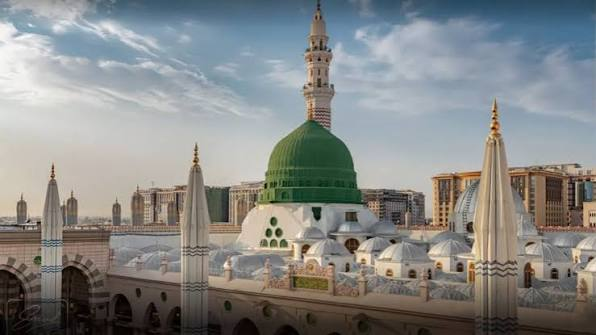
The Prophet’s Mosque is one of the most significant mosques in Islam. Visitors can pray, remember Allah, and send salutations upon Prophet Muhammad ﷺ.
Observe the mosque’s rules, respect other worshippers, and follow current arrangements for access to restricted areas.
2. Quba Mosque
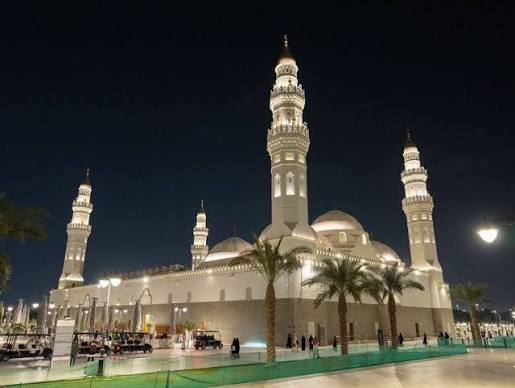
Quba Mosque is a historically significant mosque associated with the early Muslim community. It is a popular destination for pilgrims visiting Madinah.
Check local arrangements before travelling, particularly if you are visiting with older family members.
3. Mount Uhud
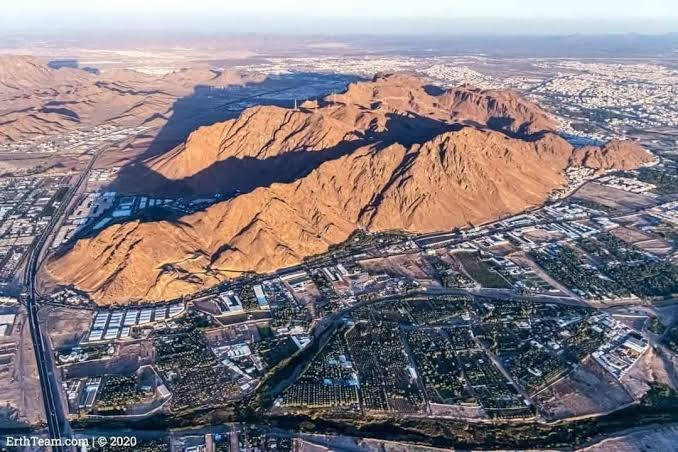
Mount Uhud is associated with the Battle of Uhud, an important event in Islamic history.
Pilgrims commonly visit the area to learn about the battle and reflect on its historical and spiritual lessons.
4. Masjid al-Qiblatayn
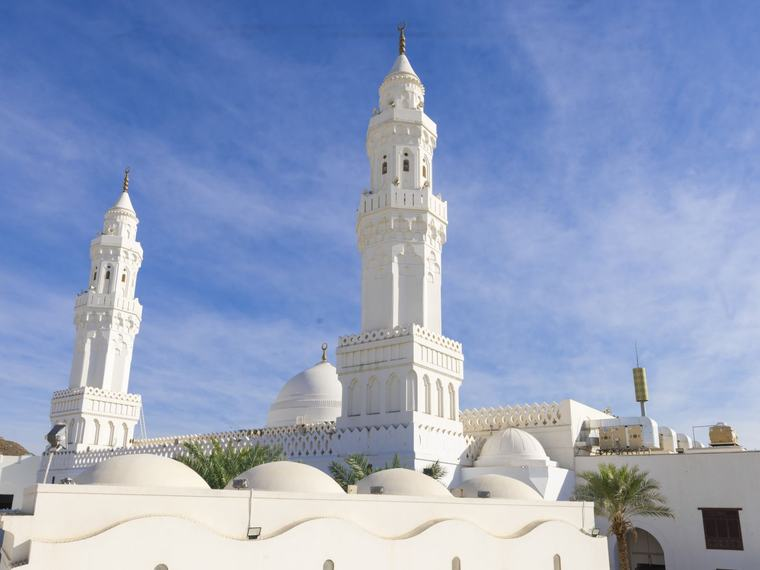
Masjid al-Qiblatayn, known as the Mosque of the Two Qiblas, is another important historical mosque associated with the change in the direction of prayer.
5. Jannat al-Baqi
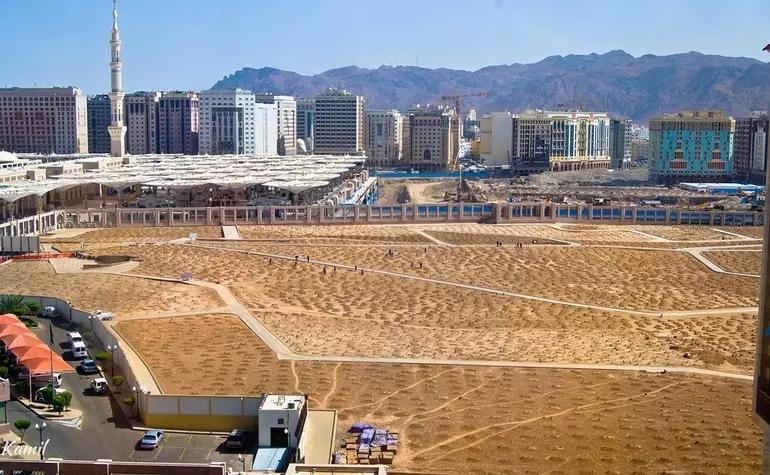
Jannat al-Baqi is a historic cemetery in Madinah where many prominent early Muslims are buried. Access is subject to the authorities’ arrangements and opening rules.
Visitors should behave respectfully and follow Islamic guidance regarding cemetery visits.
Tips for Planning Madinah Ziyarat
- Plan visits around prayer times and transport arrangements.
- Check current access restrictions before departing.
- Wear comfortable clothing and footwear.
- Carry water when appropriate.
- Avoid unverified claims about the religious status or guaranteed rewards of particular locations.
- If travelling with children or older adults, keep the itinerary manageable.
You can arrange these visits independently where permitted or ask your travel provider about available guided ziyarat services.
Ziyarat Places in Makkah
Makkah contains several locations associated with Islamic history. These places may be of interest to pilgrims who wish to learn more about the life of Prophet Muhammad ﷺ and the history of Islam.
Remember that visiting additional historical sites is separate from the essential rituals of Umrah.
1. Masjid al-Haram
Masjid al-Haram is the central destination for Umrah. It contains the Kaaba and is where pilgrims perform Tawaf.
Allow sufficient time to understand the mosque’s entrances, facilities, prayer areas, and accessibility arrangements.
2. Jabal al-Nour
Jabal al-Nour is associated with the Cave of Hira, where Prophet Muhammad ﷺ received the first revelation.
The mountain terrain can be challenging. Climbing is not necessary to complete Umrah, and people with health or mobility limitations should carefully consider the physical demands.
3. Jabal Thawr
Jabal Thawr is associated with the cave where Prophet Muhammad ﷺ and Abu Bakr stayed during their migration from Makkah to Madinah.
The surrounding terrain is steep, so visitors should prioritise safety and avoid attempting difficult climbs without appropriate preparation.
4. Mina
Mina is closely associated with Hajj and its prescribed rites. Some pilgrims visit the area to understand its historical and religious significance.
Access to certain locations may be restricted or managed according to the season and official regulations.
5. Arafat
The plain of Arafat is central to Hajj. Pilgrims may learn about its significance during a wider visit to the region, subject to access arrangements.
Standing at Arafat on the prescribed day is a rite of Hajj, not an Umrah requirement.
Hajj Guide for Beginners: How Is Hajj Different from Umrah?
Hajj and Umrah are both forms of Islamic pilgrimage, but they differ in their timing, requirements, and rituals.
| Feature | Umrah | Hajj |
| Timing | Generally possible throughout the year, subject to regulations | Performed during the prescribed days of Dhul-Hijjah |
| Main rituals | Ihram, Tawaf, Sa’i, and Tahallul | Includes specific rites associated with Mina, Arafat, Muzdalifah, and other prescribed stages |
| Arafat | Not a ritual of Umrah | Standing at Arafat is an essential pillar of Hajj |
| Duration | Often completed in a relatively short period | Takes place over designated days, with additional arrangements depending on the Hajj programme |
| Travel planning | Visa eligibility, applicable permits, and travel arrangements | Hajj-specific eligibility, authorisation, packages, and official procedures |
| Religious status | A distinct act of worship, with detailed rulings depending on the school of jurisprudence | Obligatory once in a lifetime for Muslims who meet the relevant conditions of ability, according to Islamic teaching |
Common Umrah Mistakes to Avoid
A little preparation can help prevent confusion during the pilgrimage.
1. Crossing the Miqat Without Entering Ihram
Pilgrims intending to perform Umrah must understand the applicable Miqat requirements. Do not assume that you can wait until reaching your hotel in Makkah to enter Ihram.
If your route or circumstances are unusual, obtain qualified guidance before departure.
2. Miscounting Tawaf Circuits
Tawaf consists of seven complete circuits. Use a simple counting method if necessary, while remaining attentive to the movement of other pilgrims.
Do not push or obstruct people to reach the Black Stone.
3. Counting Sa’i Incorrectly
Sa’i starts at Safa and ends at Marwah after seven laps. Each one-way journey counts as one lap.
4. Believing Every Circuit Requires a Specific Dua
There is no need to memorise a different obligatory supplication for each circuit. Focus on sincere worship, established supplications, and remembrance of Allah.
5. Ignoring the Rules of Ihram
Learn the relevant restrictions before entering Ihram. If you accidentally violate a restriction or are uncertain about a ruling, seek qualified advice rather than assuming that the same consequence applies to every situation.
6. Planning Too Many Activities
Umrah can be physically demanding, particularly for older adults and families. Allow time for rest, meals, prayer, and unexpected delays.
7. Booking Travel Without Checking the Details
Confirm hotel locations, room arrangements, transport, included services, and refund terms in writing before paying for a package.
8. Relying on Outdated Travel Information Visa procedures, health requirements, permits, and access arrangements can change. Verify current rules through official Saudi government sources before travelling.
Frequently Asked Questions About Performing Umrah
1. How do you perform Umrah step by step?
The main sequence is to enter Ihram at the appropriate Miqat, make the intention for Umrah, recite the Talbiyah, perform seven circuits of Tawaf around the Kaaba, pray two Rak’ahs where appropriate, perform seven laps of Sa’i between Safa and Marwah, and complete Tahallul by shaving or trimming the hair as applicable.
2. What are the four main steps of Umrah?
The four principal stages commonly taught to beginners are Ihram, Tawaf, Sa’i, and Tahallul. Entering Ihram includes making the intention and observing its restrictions. Tawaf consists of seven circuits, Sa’i consists of seven laps, and Tahallul marks the completion of Umrah.
3. What should I pack for Umrah from Pakistan?
Pack your passport, relevant travel documents, suitable Ihram clothing, modest everyday clothes, comfortable footwear, prescribed medicines, personal hygiene products, phone charger, emergency contacts, and payment methods. Check airline baggage limits and current Saudi requirements before travelling.
4. Which duas should I memorise before Umrah?
Begin with the Talbiyah and the supplication commonly recited between the Yemeni Corner and the Black Stone during Tawaf. You can also learn authentic supplications for forgiveness, guidance, and well-being. You do not need to memorise a separate fixed dua for each circuit or lap.
5. What is the best time for Umrah?
The best time depends on your budget, weather preferences, available leave, and tolerance for crowds. Ramadan has particular spiritual significance for many Muslims but can be busy and expensive. Flexible travellers may compare dates outside peak periods.
6. How much does Umrah cost from Pakistan?
The cost varies according to travel dates, airline, hotel category, trip length, room sharing, transport, and included services. Obtain current quotations for your departure city and preferred dates, then compare the full package inclusions rather than the advertised starting price.
7. Can I perform Umrah without a travel agent?
Whether you can arrange your trip independently depends on your visa eligibility and the applicable Saudi procedures. Where permitted, you may arrange flights, accommodation, and other services yourself. Verify official requirements and ensure that your arrangements are valid before paying.
8. Is Madinah ziyarat compulsory during Umrah?
No. Visiting Madinah is not a required ritual of Umrah. Many pilgrims choose to visit the Prophet’s Mosque and other historical sites as part of their wider journey, but Umrah can be completed without travelling to Madinah.
9. What is the difference between Hajj and Umrah?
Umrah can generally be performed throughout the year, subject to applicable restrictions, and includes Ihram, Tawaf, Sa’i, and Tahallul. Hajj is performed on prescribed dates and includes additional essential rites, including standing at Arafat. Performing Umrah does not replace the obligation of Hajj.
10. What happens if I make a mistake during Umrah?
The ruling depends on the nature of the mistake and the circumstances. Some mistakes may not affect validity, while others may require corrective action or have additional rulings. Seek guidance from a qualified scholar or authorised religious guide and explain exactly what happened.
11. How long does it take to complete Umrah?
The time required varies with crowd levels, walking pace, accessibility needs, and individual circumstances. The rituals may take several hours, but there is no single duration that applies to everyone. Allow extra time and avoid rushing.
12. Can elderly people perform Umrah?
Yes, subject to their individual circumstances and applicable requirements. Older pilgrims should discuss relevant health concerns with their healthcare professional, arrange appropriate assistance, and plan a manageable schedule. They should also check the permitted accessibility and mobility services available at the holy sites.
Prepare for Your Umrah Journey with Confidence
Understanding how to perform Umrah step by step helps first-time pilgrims approach this important act of worship with greater confidence and preparation.
Remember the essential sequence: enter Ihram at the appropriate Miqat, make the intention, recite the Talbiyah, complete seven circuits of Tawaf, perform seven laps of Sa’i, and finish with Tahallul.
Before travelling, prepare your Umrah checklist, review the essential supplications, pack carefully, and verify the latest travel requirements. If you plan to visit Madinah or other historical sites in Makkah, organise those activities around your worship, health, and available time.
Most importantly, approach the journey with sincerity, patience, and consideration for other pilgrims. For questions involving the validity of a ritual or a specific religious ruling, consult a qualified scholar.
May Allah accept your Umrah, make your journey safe and easy, and grant you the opportunity to visit the Sacred House with peace of heart.